
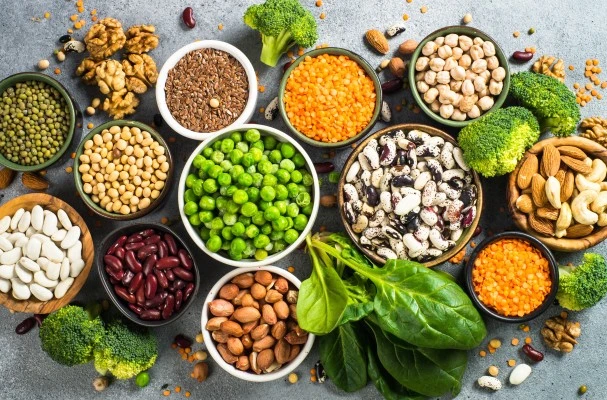
More than one-third of the global population is overweight and at increased risk for major health problems. Lifestyle modification, including dietary changes, is an important component of obesity treatment. Plant-based dietary patterns are associated with lower body weight, while diets high in animal protein, particularly processed and red meat, have been associated with increased obesity risk.
The amino acid composition of dietary protein can alter body weight. Changes in the intake of specific amino acids, including isoleucine, lysine, methionine and tyrosine, have been associated with changes in body weight.
A secondary analysis of a 36-week randomised cross-over trial, published in BMJ Nutrition, Prevention & Health, examined the associations between plant and animal protein intake, amino acid profiles and body weight in overweight adults. Changes in total and animal protein intake were positively associated with changes in body weight, whereas changes in plant protein intake were negatively associated with changes in body weight.
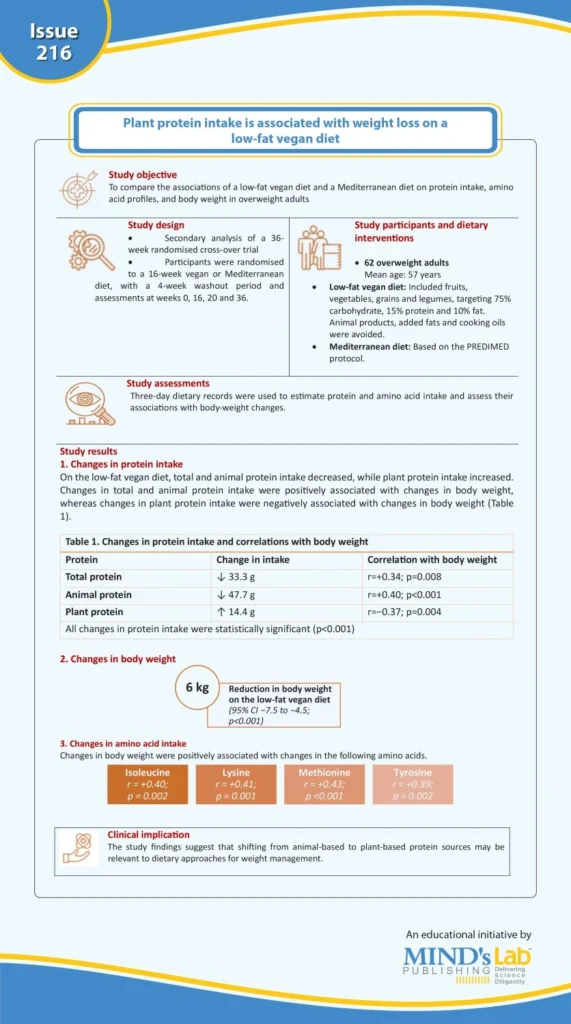
Source: Brennan H, Bach M, Holubkov R, Barnard ND, Kahleova H. Effect of plant versus animal protein on body weight on a vegan and a Mediterranean diet: A secondary analysis of a randomised cross-over trial. BMJ Nutrition, Prevention & Health. 2026;0. Doi:10.1136/bmjnph-2026-001511